
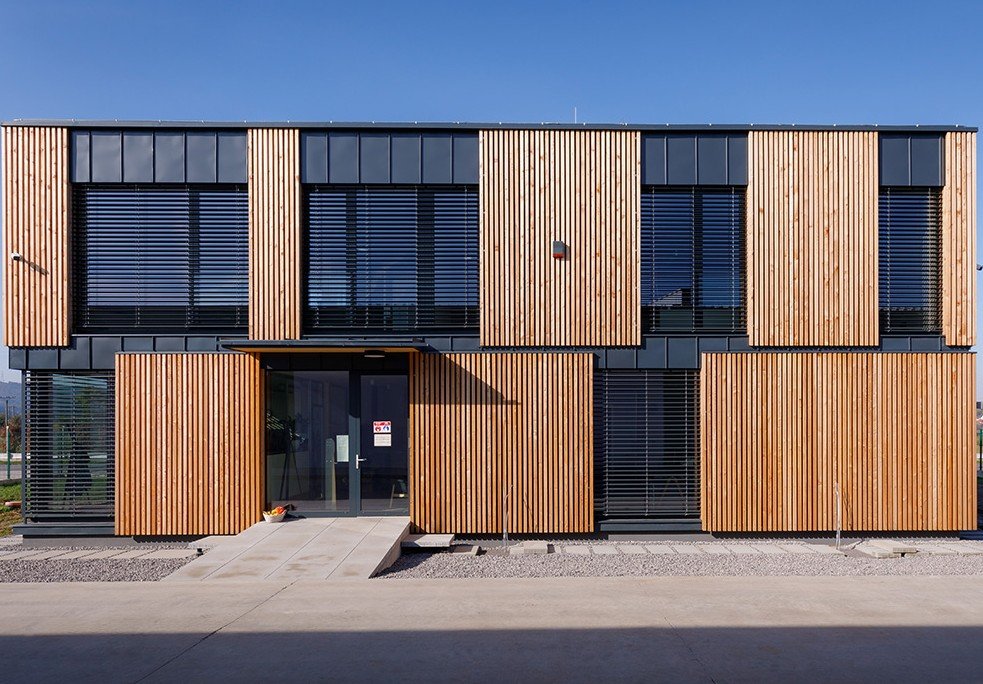
The look of corporate office buildings now mixes natural warmth with clean modern lines. Designers often choose the “Great Wall” vertical slat pattern to add rhythm and rich texture to large building exteriors. Yet heavy solid timber or thick stone creates extra weight that puts pressure on modern building frames. This leads to more engineering work and higher costs.
ALumverde offers a practical answer with its patented system. The company combines a strong aluminum core with a tough Surlyn resin outer layer to make lightweight co-extrusion aluminum cladding, tubes, and decking. These products look and feel like real wood but weigh much less. As a result, developers can install the “Great Wall” slat profile on multi-story office buildings more easily and safely.
Overcoming Structural Challenges with Advanced Material Design
Modern high-rise office towers need materials that look impressive and perform well under real conditions. Traditional facade options often force tough choices between lasting quality and added building weight.
The Engineering Advantages of Lightweight Co-Extrusion Tech
ALumverde built its co-extrusion aluminum cladding systems to fix common problems found in regular wood-plastic composites (WPC) and standard metal panels.
- Weight Reduction: These cladding weighs about half as much as heavy WPC cladding. The lower weight reduces pressure on building sub-frames and helps cut foundation expenses.
- Structural Stability: The aluminum core absorbs almost no water and shows very little change with temperature. This allows cladding to span up to 6 meters without warping, cracking, or bending, even in harsh weather.
- Extended Structural Spans: Thanks to the strong yet light design, installers can use twice the usual joist spacing. This saves money on back-framing and reduces labor time on site.
Realizing the Great Wall Aesthetic in High-Rise Scenarios
Creating a deep, layered wood slat look on corporate buildings calls for materials that meet tough safety rules.
- Class A Fire-Rated Shield: The solid aluminum core helps the cladding meet strict commercial fire codes. It limits flame spread on tall exterior walls.
- Advanced Temperature Regulation: The profile design reduces heat passing through the building skin by up to 30% compared with solid metal sheets. This eases the load on air conditioning systems.
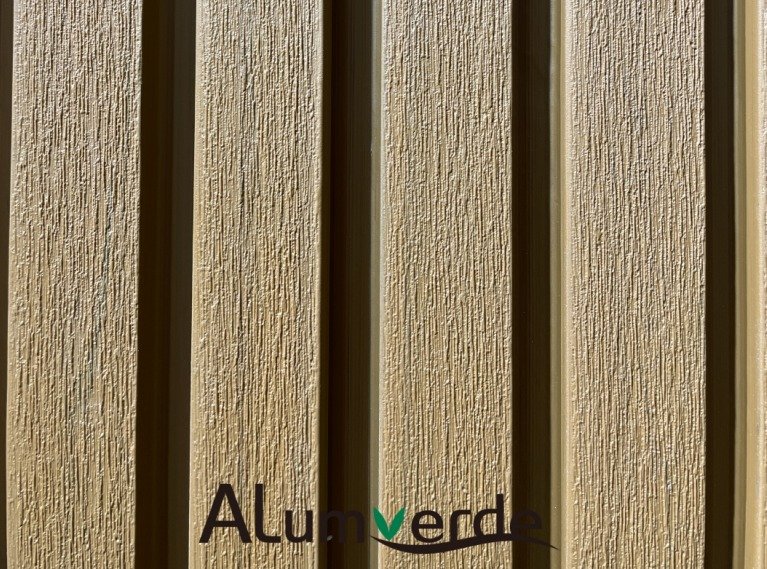
- Authentic 3D Wood Aesthetics: Unlike flat powder-coated surfaces, the process uses a grain roller to create a real-looking 3D timber texture. The result feels natural across wide office facades.
Streamlining Facade Installation and Maintenance
Detailed exterior profiles can cause delays during construction and lead to expensive upkeep later. ALumverde designed its systems to make assembly simpler and keep surfaces in good shape for years.
The Secret Behind Rapid External Assembly
Finishing a clean corporate exterior on schedule depends on thoughtful product features and matching parts.
- Clip-Hidden Interlocking Systems: The profile uses a tongue-and-groove hidden clip setup. This hides all fasteners and creates a smooth “Great Wall” look while speeding up alignment.
- Complete System Components: The package includes matching aluminum joists, end trims, corner trims, and transition pieces. These ready-made parts reduce the need for on-site fabrication and shorten installation time.
- Customized Multi-Length Configurations: Cladding comes in lengths made to fit specific grid lines. This approach cuts waste and makes site work easier.
Eliminating Long-Term Facility Management Costs
High-rise exteriors face sun, rain, and occasional knocks, so surfaces must hold up well.
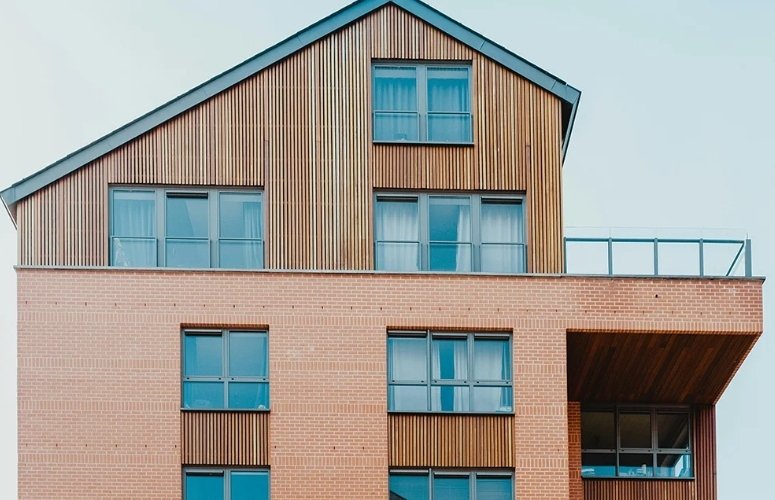
- Surlyn Outer Armor: The same durable polymer used on high-end golf balls forms the outer layer. It stands up to scratches and daily wear.
- Superior Color Fastness: The co-extruded surface resists UV damage. It avoids the fading, chalking, and peeling often seen with standard coatings or natural wood.
Tailored Architectural Solutions for Commercial Excellence
Each corporate building should have its own character that matches the company, while working well in practice. ALumverde gives design teams flexible choices to turn ideas into solid structures.
Customized Engineering and Visual Design Control
The production process allows teams to move past standard options and match exact project needs.
- Customized Profile Geometry: Designers can adjust slat width and depth to control shadows and create the right visual rhythm on the building.
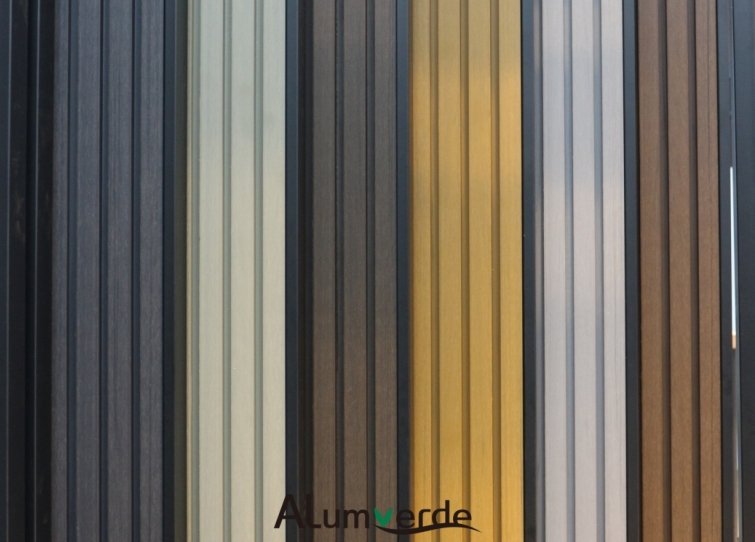
- Curated Color Palettes: Finish colors range from classic Teak and Walnut to modern Antique Dark Grey, Ashwood, and IPE.
- Comprehensive Project Consultation: The technical team supports facade consultants from early drawings to final delivery. They supply structural calculations and layout details as needed.
Elevate Your Next Corporate Facade Project
Ready to improve your next office building with a lightweight, fire-resistant, and durable vertical slat system? Contact the ALumverde technical team today. Request catalogs, get a free material sample kit, or discuss a custom engineering estimate for your project.
FAQ
Q: How does a co-extrusion aluminum cladding system compare to traditional solid timber or WPC?
A: Traditional timber and standard WPC often fall short on commercial fire codes because they can burn. Co-extrusion aluminum cladding has a non-flammable metal core that meets Class A standards. This helps prevent fire from spreading on tall building walls.
Q: What prevents vertical wood-look slatted facade patterns from warping or showing visible misalignment over long spans?
A: The metal core takes in almost no moisture and expands very little with heat. These traits keep 6-meter cladding flat and straight without bowing or shifting over time.
Q: How does the weight of modern lightweight cladding profiles affect overall facade sub-structure engineering costs?
A: Cutting cladding weight by about 50% compared to solid composites reduces load on wall anchors. Engineers can then use wider joist spacing, lighter framing, and smaller foundations, which lowers total sub-structure expenses.
Q: Can co-extruded resin surface layers effectively resist color fading and chalking under intense environmental UV exposure?
A: Yes. The Surlyn resin layer provides strong protection against UV rays. It keeps color stable and prevents the chalking and fading common in ordinary exterior finishes.