
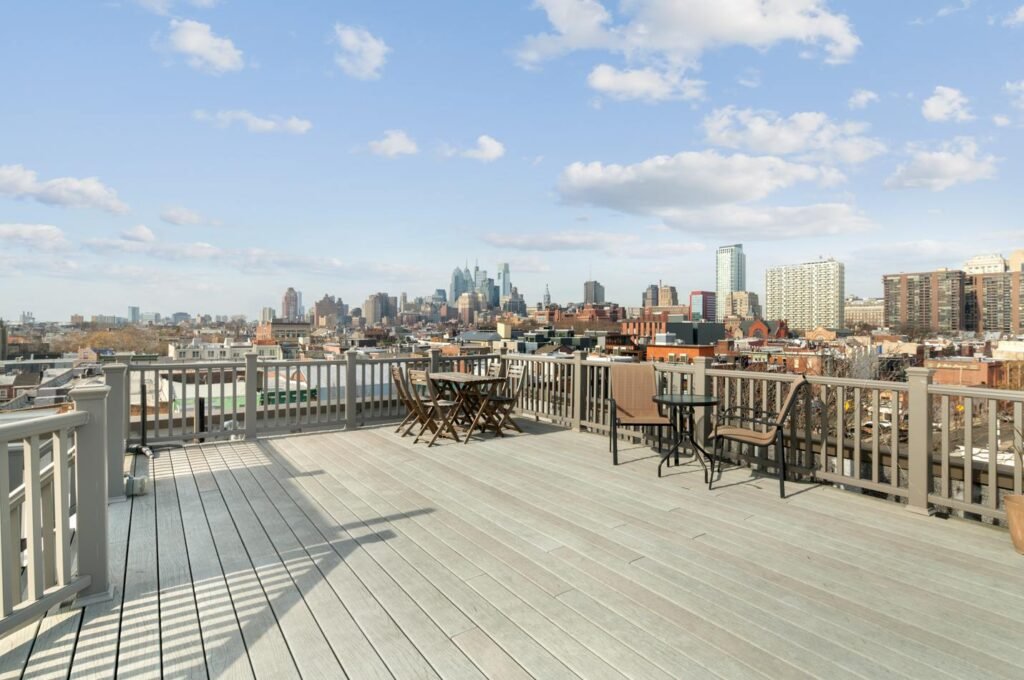
Ground-level decks create a close link to the surrounding landscape. However, they bring a real engineering headache that raised decks usually avoid. Without good airflow and drainage, water collects underneath. This leads to puddles, mold, and damage over time. At ALumverde, we develop B2B aluminum composite materials built for these tough conditions. They offer the look of real wood backed by a strong aluminum core that handles moisture issues for the long run.
Understanding the Hidden Threat of Ground-Level Sub-Decks
Ground-level deck structures have little room underneath. This cuts down natural airflow and holds in moisture from the soil.
The Dynamics of Water Stagnation Under Low-Clearance Decks
Traditional materials set near the ground take in water from rain and damp earth. Over time, this causes them to break down early.
- Restricted Evaporation: Tight spaces under the deck block sun and breeze. Moisture stays trapped with no easy way out.
- Hydrostatic Pressure Built-Up: Standing water below raises humidity and pushes dampness into the deck frame.
- Structural Degradation: Ongoing wetness weakens regular joists. It also invites insects and rot.
Visual Symptoms of Sub-Surface Moisture Damage
Water trapped under the deck shows up in clear ways on the surface and in the structure.
- Surface Warping and Cupping: Dampness from below makes wood or basic composites swell at different rates. The once-flat boards start to bend and lift.
- Foul Odors and Mold Spores: Closed-off areas under the platform create musty smells. These conditions affect the enjoyment of upscale outdoor spaces.
- Fastener Loosening: Repeated swelling and shrinking of the frame loosen screws and clips over months of exposure.
Engineered Solutions for Active Sub-Deck Drainage Control
Fixing water buildup under the deck calls for better materials and smart drainage features.
The Power of Integrated Water Channels
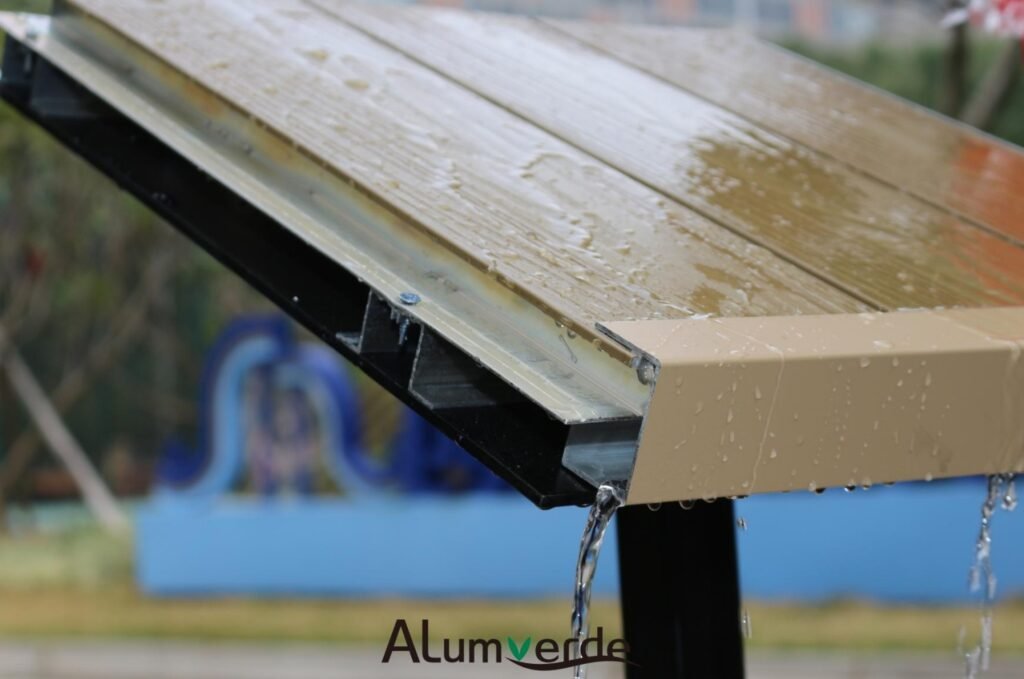
Our Co-Extrusion Aluminum LuxeFlow Decking line does not leave water sitting underneath. Built-in tracks move it away from the start.
- In-Built Drainage Channels: The LuxeFlow Decking profile catches water from the gaps on top and guides it toward outlets.
- Aluminum Gutter Integration: Aluminum gutters attach straight to the support grid and collect every bit of runoff.
- Zero Sub-Surface Pooling: Water keeps moving no matter how long the rain lasts. The area below stays dry.
Surlyn Resin Co-Extrusion Layer Shielding
ALumverde applies a tough Surlyn resin layer—the kind used on golf balls—over a solid aluminum core.
- Zero Water Absorption: The Surlyn coating takes in almost no water. Boards resist swelling or breaking down even in wet ground conditions.
- 3D Wood Texture Realism: Special rollers press in a deep, natural-looking grain that holds up without losing strength or weather resistance.
- Long-Term Color Fastness: The outer layer blocks UV rays well. Rich wood colors stay true through humid seasons and strong sun.
Strategic Application Scenarios for High-Performance Environments
Different sites need specific approaches to keep decks stable for years.
Luxury Waterfront Hospitality Terraces
Seaside resorts and lakeside walkways deal with constant ground dampness plus heavy foot traffic from guests.
- The Problem: High water tables send steady humidity upward. Splashes from the surface add more water.
- The ALumverde Solution: LuxeFlow Decking channels carry water off right away. Joists underneath stay dry and last longer.
- Customized Adaptability: Managers can order lengths up to 6 meters. Fewer joints mean smoother layouts for large areas.
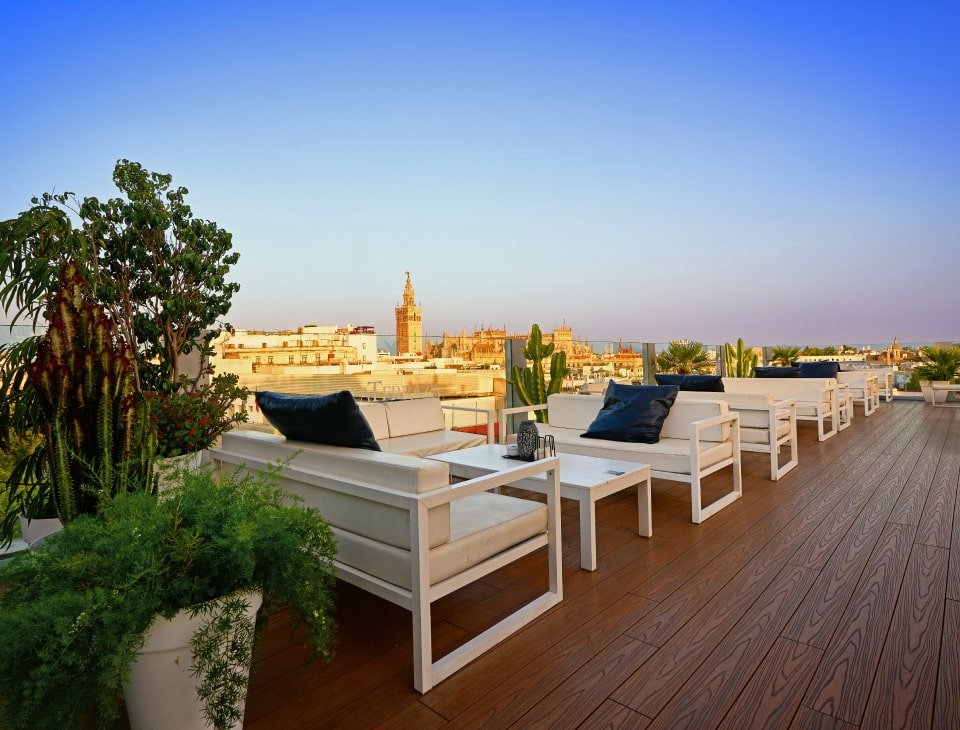
High-Rise Commercial Roof Gardens and Public Plazas
City rooftops and public parks need lighter materials that manage heavy rain without adding too much load to the building.
- The Problem: Standard WPC or wood soaks up water. This extra weight stresses rooftop structures.
- The ALumverde Solution: Our co-extrusion aluminum profiles weigh about half as much as solid WPC. They hold less moisture and reduce overall load.
- Structural Integration: Pair them with fireproof Co-Extrusion Aluminum Tubes series and Co-Extrusion Aluminum Slat Cladding. The result gives a matching wood appearance on walls and deck surfaces.
Seamless Installation Protocols for Long-Term Ventilation
Even the best material needs a correct setup for airflow. ALumverde supplies straightforward support systems that install easily.
Optimizing Sub-Structure Layouts
Proper spacing between supports provides strength and room for air to move.
- Aluminum Joist Foundation: Aluminum joists avoid the rot problems seen with treated wood frames.
- Precise Support Spanning: A span of 1.64ft (500mm) spreads weight evenly and keeps airflow paths open.
- Clip-Hidden Systems: Hidden fasteners create steady gaps between boards. They also cover screw heads for a cleaner finish.
Comprehensive Design Customization
Every project has its own ground conditions and drainage needs. Standard sizes often fall short.
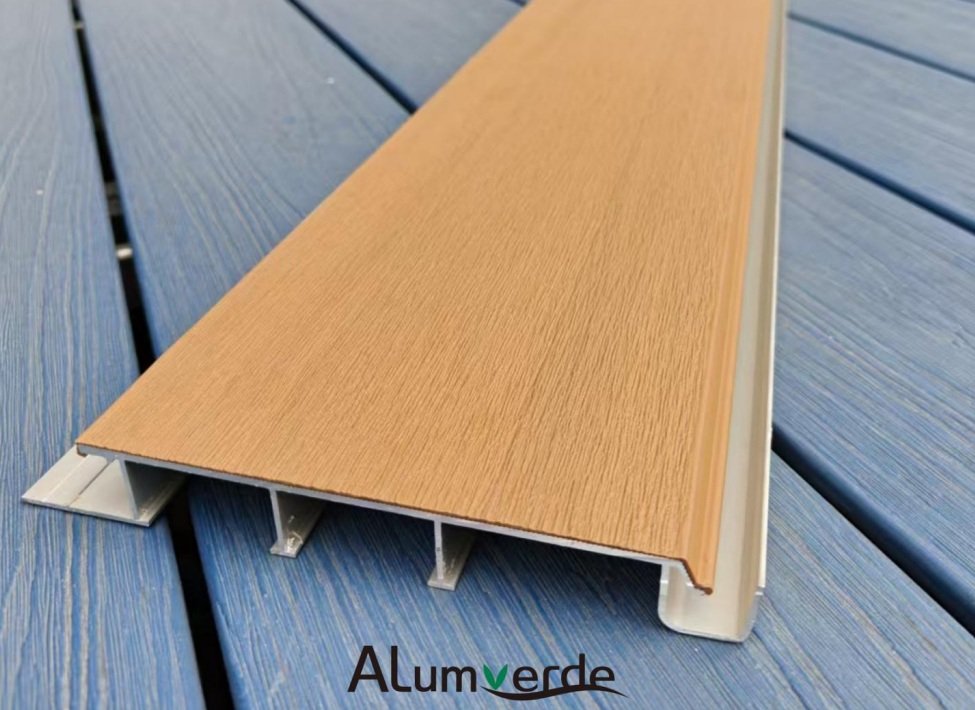
- Customized Board Dimensions: We produce exact lengths and widths to meet tight architectural specs.
- Tailored Accessory Kits: Complete kits include end trims and corner pieces. All items come color-matched.
- Engineering Assistance: Our B2B team offers hands-on help with layout plans and subsurface drainage routes.
Ready to Eliminate Moisture Risks from Your Next Project?
Hidden water problems should not shorten the life of your ground-level designs. Reach out to the ALumverde B2B team for a product catalog, data sheets, or a free sample kit sent to your office.
Email: hello@alumverde.com | Call/WhatsApp: +86 181-3850-8142
FAQ
Q: How does ground-level water stagnation affect the structural lifespan of outdoor commercial decking?
A: Standing water creates a very damp zone underneath. It rots wood frames, rusts regular fasteners, and makes composite boards swell and warp. Many fail after just a few seasons.
Q: Why are traditional wood-plastic composites (WPC) prone to failure in low-clearance ground applications?
A: Standard WPC contains wood fibers that soak up moisture from the soil. Without enough ventilation below, this leads to mold inside, soft spots, and boards that cup at the surface.
Q: What structural advantages do aluminum-core composites hold over natural timber foundations?
A: Aluminum cores stay stable in wet conditions. They do not absorb water, bend, twist, or crack. This gives a steady base that keeps surfaces flat for many years and resists fire.
Q: How does a clip-hidden installation method assist in managing moisture runoff?
A: Hidden clips keep even gaps between boards. Rainwater flows through these spaces into collection channels below instead of sitting on top.