
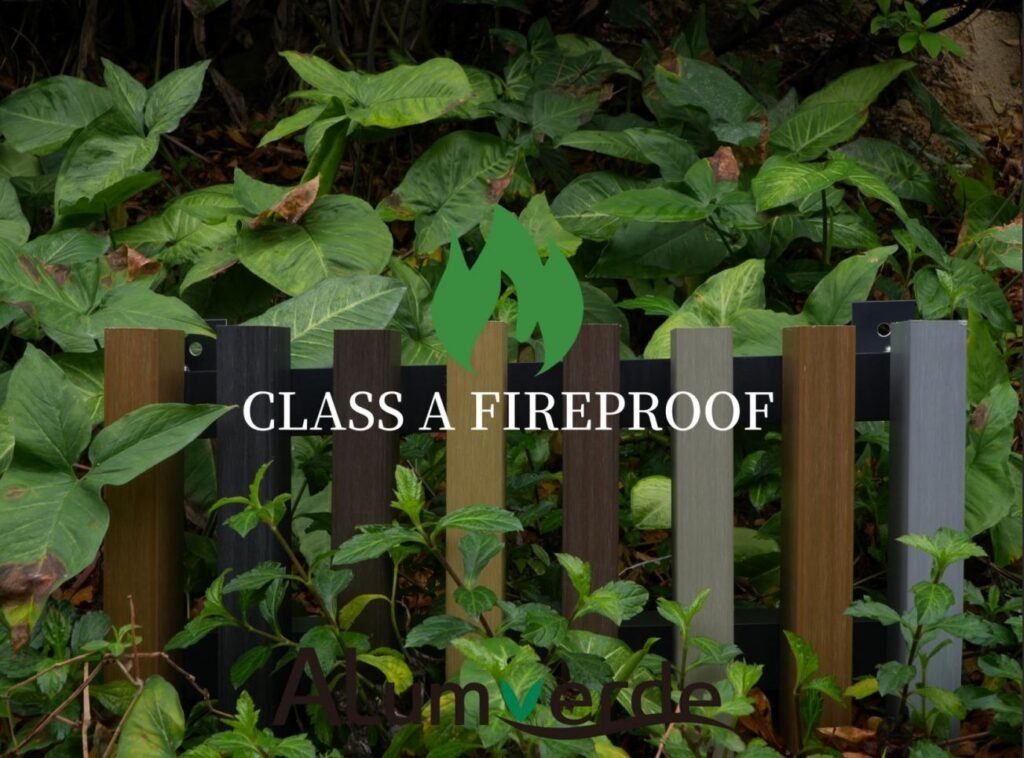
In today’s cities, high-rise buildings are becoming more common, which has led to stricter fire safety rules. Developers and architects must find ways to create attractive spaces while meeting tough requirements for safety and durability. ALumverde works as a key partner in this area. The company produces hybrid aluminum-resin composite materials for decking, cladding, and tubes. These products combine the natural look of wood with the strength of metal.
The Significance of Non-Combustibility in High-Rise Construction
As fire codes grow stricter, materials for balconies and facades must meet high standards. In tall buildings, flame spread and smoke can create serious risks. Choosing the right materials helps protect people and the building itself.
Meeting the ASTM E84 Class A Benchmark
Our products are made to satisfy the safety needs of modern high-rise and public buildings.
- Fireproof Core: Every ALumverde co-extrusion aluminum profile includes a non-combustible aluminum core that meets ASTM E84 Class A fire safety standards.
- Minimal Smoke Emission: In case of fire, the materials slow flame spread and produce very little smoke. This creates an important layer of protection.
- Urban Compliance: The aluminum core helps our decking and cladding systems meet the strictest fire rules used in high-rise projects worldwide.
ALumverde: Redefining Material Science for Urban Safety
ALumverde started with a clear goal: to fix the weaknesses of traditional wood-plastic composites (WPC). These older materials often struggle with UV damage and fire safety in difficult conditions. We have changed how aluminum is used by adding advanced co-extrusion technology. The result is a material that feels natural but performs like strong industrial metal.
The Core-Armor Synergy: Surlyn and Aluminum
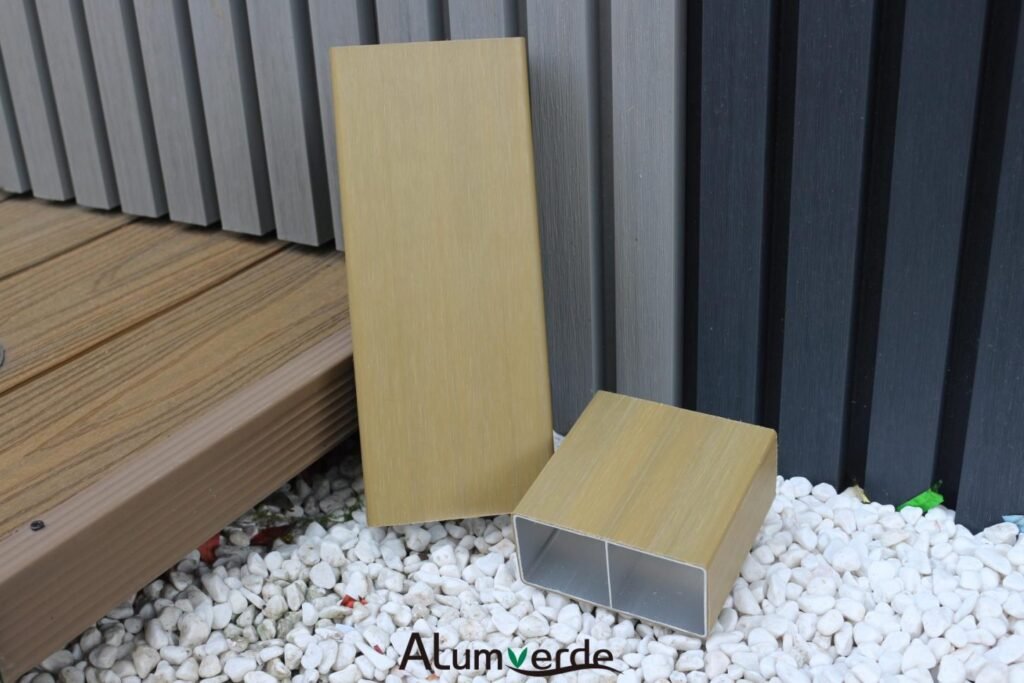
We coat a 6063-T5 aluminum core with a strong Surlyn resin layer. This material is the same type used in professional golf balls.
- 3D Wood Grain Texture: Precision rollers create a true wood texture with actual ridges and different shades. This keeps the material from having the flat appearance of ordinary powder-coated aluminum.
- Superior UV Protection: The Surlyn layer blocks 99% of UV rays. It prevents the fading and peeling that often occur with lower-quality coatings after years of exposure.
- Zero Water Absorption: Unlike wood or basic composites, our material resists water completely. The result stops rot and loss of strength that moisture usually causes.
Eco-Conscious Innovation and Sustainability
ALumverde works to cut its environmental impact by using recycled materials in its production methods.
- Recycled Aluminum: We include 80% recycled aluminum in our process. This cuts carbon emissions by 60% compared to using new aluminum.
- Longevity and Recyclability: Each profile lasts for many years. It can be fully recycled at the end of its life, which helps keep waste out of landfills.
- Deforestation Prevention: A wood-free option with a natural look reduces the need for timber. It supports forest preservation at the same time.
Co-Extrusion Aluminum Product Systems for Demanding Environments
Our co-extrusion aluminum products do more than look good. They solve real problems in high-rise construction, such as water management, heat control, and weight.
LuxeFlow and Bi-color Decking Solutions
For high-rise balconies, the ALumverde Co-Extrusion Aluminum Decking series offers safety features that go beyond fire resistance. It also focuses on comfort and practical use.
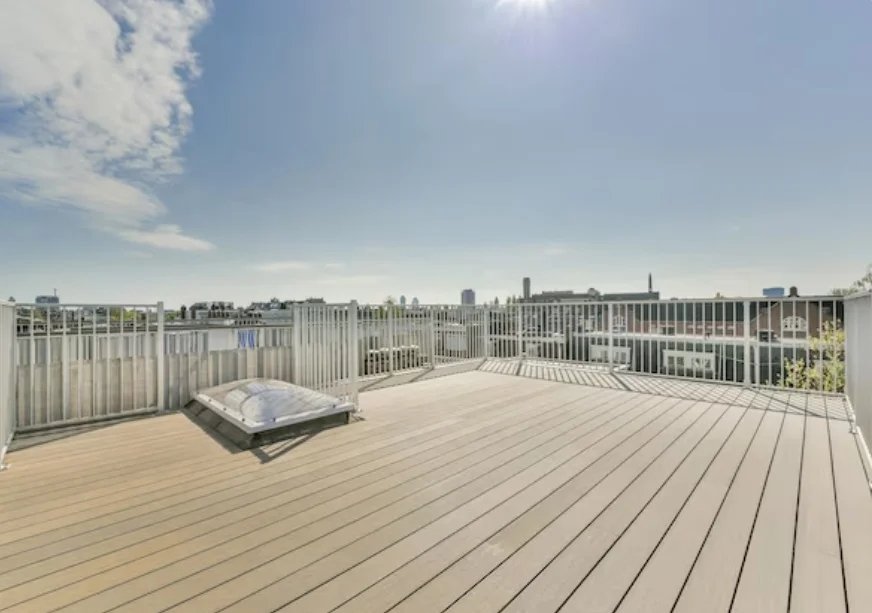
- Advanced Water Management: The LuxeFlow Decking includes built-in channels and gutters. These collect and direct water away from the surface, keeping balconies dry and protecting lower levels.
- Advanced Heat Insulation: Our technology keeps the decking surface up to 30% cooler than standard aluminum or composites. This makes outdoor spaces more comfortable even in hot sun.
- Versatile Aesthetics: The Bi-color Decking has two colors on opposite sides. Designers can flip decking or mix tones to create patterns that fit any building style.
High-Performance Cladding and Tube Systems
Our Co-Extrusion Aluminum Cladding and Tube series act as a protective layer for high-rises. They provide a lighter option than traditional materials, making installation easier and reducing load.
- Double-Structure Stability: ALumverde Co-Extrusion Aluminum Cladding (available in Slat and Shiplap styles) uses two layers for added strength while staying light.
- Flexible Tube Solutions: The ALumverde Co-Extrusion Aluminum Tube Series gives designers freedom to create fences, pergolas, railings, and screens. These stay stable up to 6 meters.
- Labor Efficiency: At half the weight of similar wood-style products, our systems can cut labor costs by up to 40% through easier installation and modular accessories.
Specialized Technical Services and Customized Support
At ALumverde, we know every high-rise project has its own needs. That is why we offer full support from early design to final installation.
Bridging Vision and Reality with Engineering Assistance
We do more than supply materials. We provide solutions that help architects bring their ideas to life while meeting safety rules.
- Customized Finishes: Designers can choose from six main colors — Walnut, Antique Dark Grey, Teak, IPE, and Ashwood — or request additional options to match their project.
- Engineering Assistance: Our team helps with complex requirements, making sure clips, trims, and other details fit perfectly.
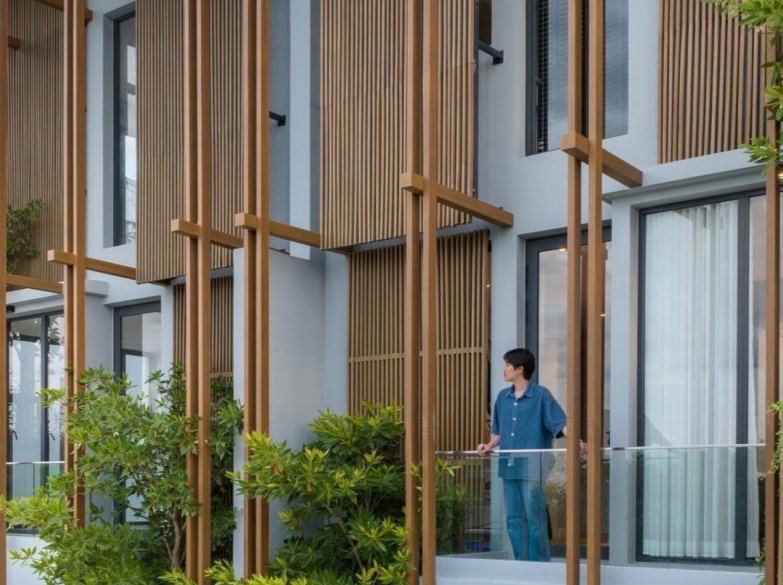
Build a Safer, Greener Skyline with ALumverde
There is no need to choose between wood-like beauty and strong safety for your high-rise project. ALumverde brings together non-combustible aluminum strength and natural aesthetics.
Contact us today to request free samples or discuss how our solutions can support your next major development.
FAQ
Q: Why is a Class A rating necessary for high-rise balconies?
A: Class A ratings hold real importance for high-rise balconies since fires can travel quickly up the building. City codes, therefore, require non-combustible materials to stop balconies from adding fuel to any fire.
Q: How does heat conduction affect outdoor decking in urban environments?
A: Standard metal decks grow quite hot under direct sunlight. Superior composite materials reduce heat conduction, resulting in surfaces that remain cooler and safer for foot traffic.
Q: What are the main challenges of using traditional wood or WPC in high-rises?
A: Traditional wood burns easily, while many early WPC products fail to meet fire ratings. They also struggle with UV damage and moisture in the exposed conditions common to tall buildings.
Q: How does weight influence the structural cost of high-rise building envelopes?
A: Heavier materials need stronger supports and increased labor. Lightweight aluminum composites lessen the load on the building frame and can reduce installation costs substantially.