
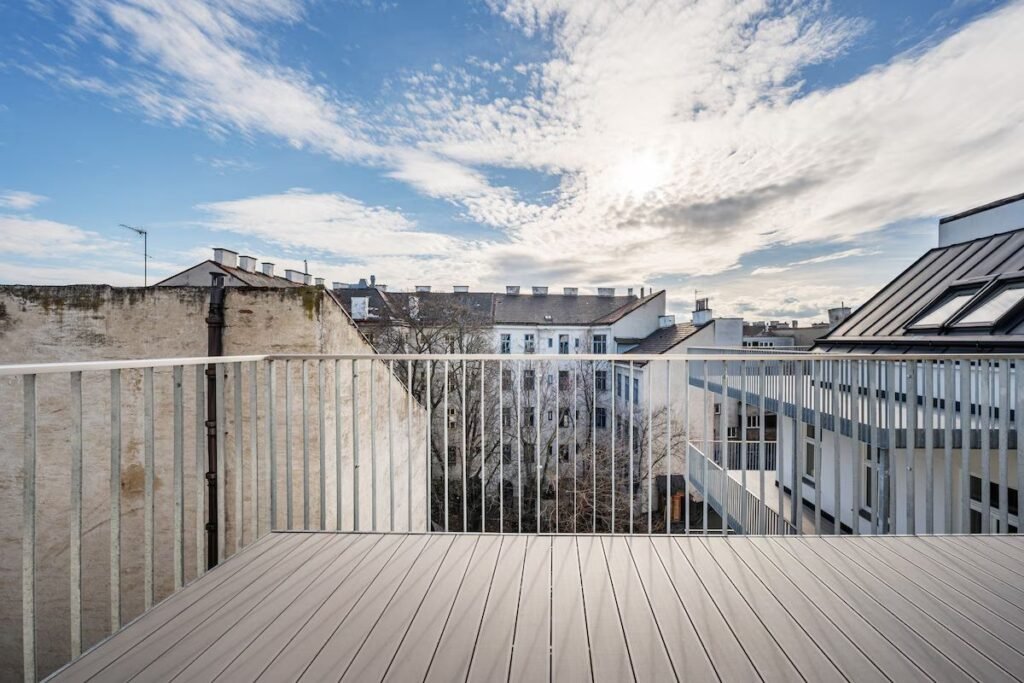
As cities pack more buildings into tight spaces, rooftop areas for hotels, bars, and lounges have turned into popular spots that offer guests a sense of escape high above the streets. ALumverde leads the way in advanced aluminum composite materials. The company connects strong safety features with the attractive looks that modern projects demand.
The Non-Negotiable Priority of Rooftop Fire Safety
Creating hospitality spots at greater heights calls for materials that handle tough weather and follow strict fire rules.
Achieving the Class A Fireproof Standard
City rules for tall buildings, especially on high balconies and rooftops, require top-level fire resistance to keep people and the structure safe.
- ALumverde co-extrusion aluminum products include a fireproof 6063-T5 aluminum core that meets the ASTM E84 Class A standard.
- The combination of aluminum with a Surlyn resin outer layer helps limit how fast flames move and keeps smoke low if something goes wrong.
- This Class A performance gives a better choice than many wood-plastic composites or timber for busy public and commercial areas.
- Architects and engineers can choose these systems for high-rise walls and balconies knowing they fit the required codes.
Premium Flooring Solutions for Outdoor Terraces
The surface of a rooftop lounge needs to stand up to many footsteps, spills, and all kinds of weather while still looking good.
LuxeFlow Decking for Advanced Water Management
Balconies and rooftops on tall buildings often deal with water buildup that can harm the structure below over time.
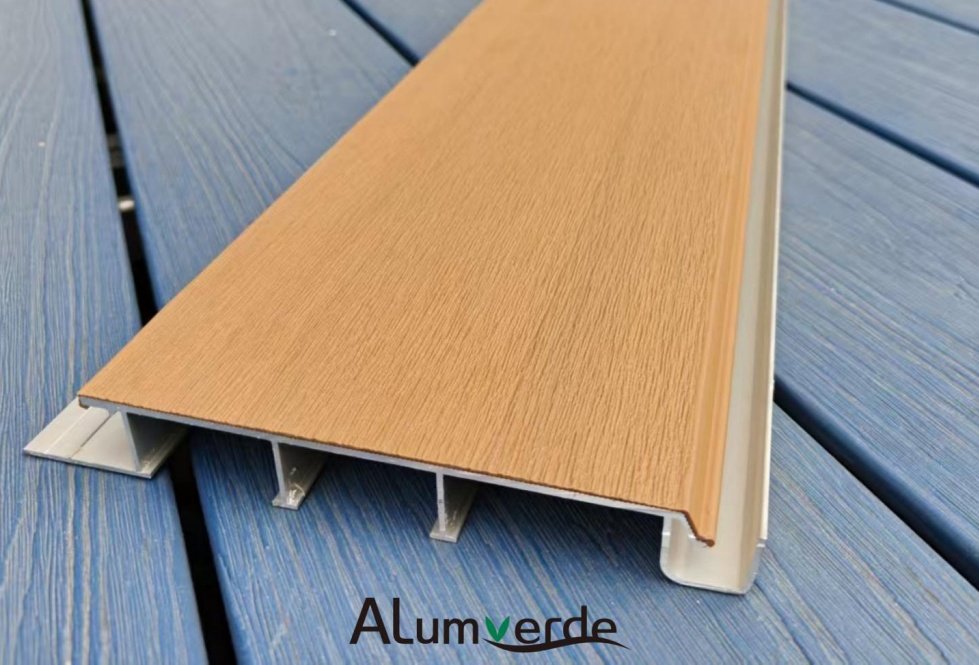
- ALumverde Co-Extrusion Aluminum LuxeFlow Decking comes with built-in channels that move water away quickly.
- The system works with a matching aluminum gutter to direct water to the right spots and protect everything underneath.
- Each decking can reach lengths up to 6 meters, which means fewer joints and a steadier surface that works well at height.
- The textured finish delivers strong slip resistance so guests stay safe even when conditions change.
Vertical Elements: Privacy, Shading, and Facade Design
In crowded city settings, vertical pieces help form private areas and shield guests from wind or strong sun.
Versatile Aluminum Tube Systems for Structures
Rooftop lounges often need pergolas, railings, or screens to separate zones and offer cover.
- The ALumverde Co-Extrusion Aluminum Tube Series provides square, round, and rhombus profiles that support different design ideas.
- Co-Extrusion Aluminum Tubes come in various sizes, from 25x15mm for lighter screening to 120x30mm for stronger pergolas.
- A custom approach turns these tubes into fences or reflective details that add interest to the space.
- The hidden clip system keeps hardware out of sight and maintains a clean, orderly appearance.
High-Performance Cladding and Soffit Solutions
Walls and ceilings in rooftop lounges need to do more than look nice. They must support safety and hold up over years of use.
- Co-Extrusion Aluminum Slat Cladding forms repeating vertical lines that create depth and a refined look, drawing from classic patterns.
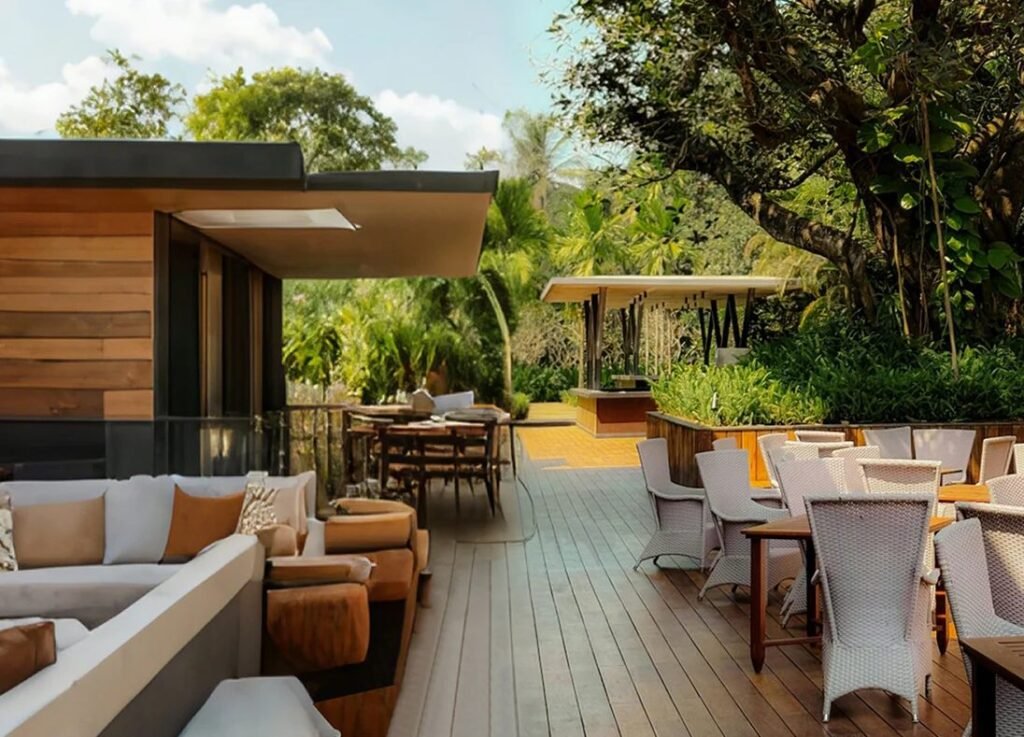
- Co-Extrusion Aluminum Shiplap Cladding series works especially well for soffits and overhangs, turning plain surfaces into warmer, wood-style finishes.
- A double-structure design adds strength, which matters when rooftops face heavy wind.
- Custom lengths and textures allow each facade to reflect its own character while satisfying safety needs for tall buildings.
Overcoming Environmental Challenges in Urban Design
Outdoor city spaces handle extra stress from heat buildup, strong sunlight, and city air.
Advanced Heat Insulation for Guest Comfort
Plain metal can heat up quickly in the sun and make the area uncomfortable.
- ALumverde methods keep surfaces up to 30% cooler than regular aluminum or composite options through careful material blending.
- Lower heat transfer creates better conditions for guests who walk barefoot or sit close to exposed walls.
- Reduced heat movement also supports lower energy use in the overall building.
Armor Against Weathering and Fading
Direct sun on rooftops can wear down color and strength in lesser materials.
- The Surlyn outer layer blocks 99% of UV rays and helps the color stay true for many years.
- With no water absorption, the material avoids the swelling, cracks, or decay that often appear in wood or standard WPC during wet or humid periods.
- Its hardness and resistance to wear, similar to surfaces used on golf balls, keep the finish looking fresh even with regular foot traffic.
Partnering with ALumverde for Engineering Excellence
With years in composite materials, ALumverde brings a track record of practical advances for outdoor builds.
Customized Support and Engineering Assistance
Each rooftop project has its own needs, so solutions must fit the specific plans rather than follow standard items.
- ALumverde supplies custom lengths, colors, and textures to match an architect’s exact goals.
- The company gives engineering help to manage the details of installation on tall structures.
- Free samples let project teams check the 3D grain and material quality in person.
Choose materials that add protection and lasting quality along with good looks. Reach out to the ALumverde team today for custom samples or engineering input on your next rooftop project.
FAQ
Q: Why is a Class A Fireproof rating required for rooftop hospitality spaces?
A: Rooftop areas in dense urban environments follow tight fire safety codes. These rules protect people in high-rise buildings where quick exit can be difficult, and fire spread needs control.
Q: How does heat insulation technology affect outdoor guest comfort?
A: Special coatings lower surface temperatures by as much as 30%. This reduces the hot feel of metal and improves the experience in lounge areas during warmer months.
Q: Can aluminum composite materials truly replicate the look of natural wood?
A: Yes. Co-extrusion and 3D grain methods produce patterns and tones close to timber, while the metal base keeps the needed strength.
Q: Is structural stability a concern for materials installed at great heights?
A: Yes. Materials for high-rises must resist temperature changes and strong winds. Double-structure designs and very low water absorption deliver the stability these locations require.