
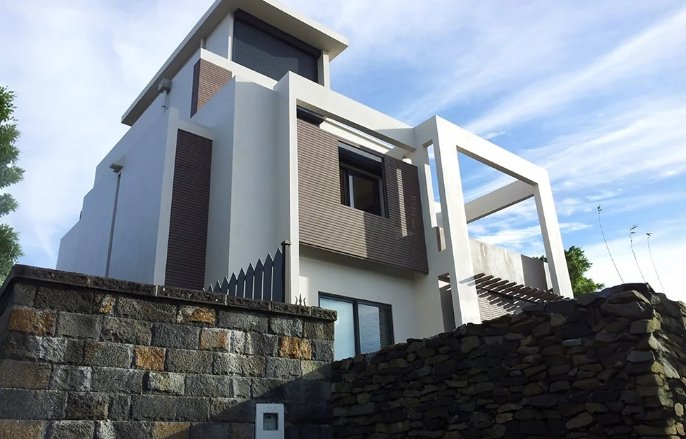
Architects today keep running into the same old problem: clients love the rich, friendly look of real wood on a building, but nobody wants the upkeep, the fire risk, or the rot that comes with it. Plain aluminum cladding feels cold and looks cheap. Older composites sometimes fail fire codes or fade fast. The fix isn’t choosing one side or the other. It’s blending the good parts of both. That’s what modern co-extrusion aluminum cladding does, and ALumverde takes it further by wrapping a tough aluminum core in a thick Surlyn skin that looks and feels like timber while staying safe and steady for decades.
Understanding the Ventilated Façade System (VFS)
A ventilated façade is pretty straightforward once you see how it works. You hang the outer cladding a few inches away from the actual wall. That open gap lets air move freely behind the cladding.
The Science of the Air Cavity: Thermodynamics and Moisture
On hot days, the gap acts like a chimney. Warm air rises out of the top and pulls cooler air in from the bottom, so the wall never bakes. In winter, the same space blocks the wind and keeps heat inside. Any rain that sneaks past the cladding drips down and out—no chance for mold on the real wall. The whole setup saves a noticeable chunk on heating and cooling bills, but only if the outer material itself doesn’t soak up water or twist when the temperature jumps thirty degrees overnight.
VFS and the Demand for High-Performance Cladding
Tall buildings push materials hard. Cladding has to stay flat and straight from the ground floor to the penthouse, even when the sun beats on one side and shade cools the other. Wood swells and shrinks. Cheap composites can sag or crack. Standard powder-coated aluminum chips lose color. A good ventilated façade needs cladding that laughs at the weather and still looks brand new after ten or fifteen years.
The Hidden Advantages of ALumverde Aluminum Composites
ALumverde co-extrusion aluminum cladding brings benefits most people don’t spot until the building has been up a while.
Non-Combustible Safety: The Class A Fire Barrier
Fire codes on high-rises are no joke. Some older composite cladding went up like paper in tests. ALumverde starts with a solid aluminum core that earns a true Class A rating under ASTM E84—the top mark for flame spread and smoke. Inspectors sign off fast, and owners skip the extra treatments or sprinklers that wood or plastic cladding often need.
Dynamic Thermal Regulation (The Comfort Factor)
Everybody knows aluminum gets hot in summer and icy in winter. ALumverde flips that. The thick Surlyn resin layer slows heat flow, so the surface stays up to 30% cooler than regular aluminum or capped composites on a sunny afternoon. Walk out on a balcony at noon, and the wall feels pleasant, not burning. That same layer keeps fingers from freezing in January. Less heat sneaking into the air gap means the whole ventilated system works better and the building uses less energy year-round.
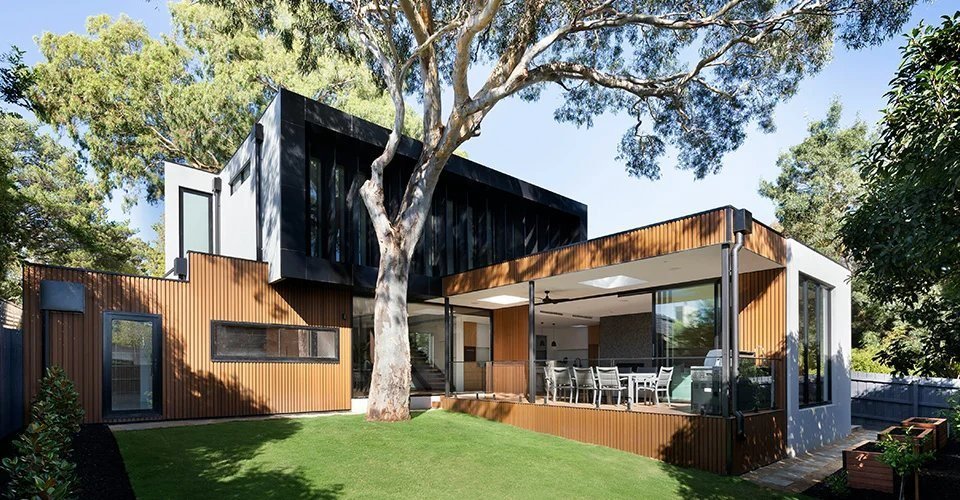
Durability Against Weathering and Authentic Wood-Feeling
Cladding faces rain, sun, salt air, and freeze-thaw cycles every day. ALumverde’s double-structure design pairs a strong 6063-T5 aluminum core with a tough resin skin that barely drinks water and hardly expands. Colors stay rich for decades—no chalky gray after a couple of seasons. Touch the surface, and your hand meets deep 3D wood grain that feels warm and real, not slick or metallic.
ALumverde: Advanced Co-Extrusion Technology and System Solutions
We built ALumverde to give designers the look of premium hardwood without the headaches.
Surlyn Co-Extrusion: The Authentic Wood-Looking Finish
We run the aluminum core and Surlyn resin through the line at the same time so they bond tightly. While the resin is still soft, heavy rollers press real-looking grain patterns into it. The finished cladding comes out with ridges and shadows you can feel. Pick from dozens of colors and textures—rough oak, smooth teak, whatever fits the job—all on cladding that never needs staining.
Specialized Co-Extrusion Aluminum Cladding Profiles
Our range covers full façades, top to bottom.
ALumverde Co-Extrusion Aluminum Cladding
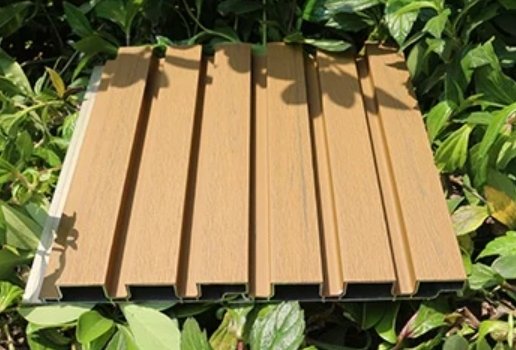
- Slat Cladding creates sharp vertical lines and nice shadow play.
- Shiplap Cladding works great on soffits or big walls and shows off the grain beautifully.
Empowering Architectural Freedom with Customized Solutions
Standard sizes handle most jobs, but we love one-off ideas. Need a wider slat, a darker driftwood tone, or a two-color mix? Send the drawing. Our engineers jump in and turn it into reality without slowing the schedule. Matching trims, corners, and brackets come with every order, so nothing gets figured out on site.
Sustainability and Project Efficiency
We make the core from 80% recycled aluminum. That single choice cuts carbon output about 60% compared to fresh metal. You get the look of rare tropical hardwood without cutting a single tree. Cladding installs fast with hidden clips and matching joists, so crews finish façades in days instead of weeks. Once up, a quick rinse every few years is all they ask. Thirty-plus years later, they still look fresh, which means far less waste headed to the landfill.
Conclusion
ALumverde co-extrusion aluminum cladding gives ventilated façades everything they need: real Class A fire safety, surfaces that run up to 30% cooler, and a warm wood look that holds up decade after decade. For apartments, offices, hotels, or anything tall, it’s the practical way to hit tough codes, keep energy bills down, and give the building a face people actually enjoy looking at.
FAQ
Q: How is ALumverde different from WPC or ACP?
A: ALumverde has a solid aluminum core wrapped in co-extruded Surlyn resin. You get true wood texture, top-tier fire safety, and colors that stay bright—far better than regular WPC or plain metallic ACP.
Q: How does ALumverde Cladding enhance the thermal performance of a Ventilated Façade System?
A: The Surlyn layer keeps the surface up to 30% cooler, so less heat slips into the air gap and the whole system stays more efficient.
Q: Is ALumverde Cladding suitable for high-rise buildings, and what is its fire rating?
A: Yes. Lightweight, dead-straight stability, and a full Class A fire-rated core make it a go-to for tall projects.
Q: Does ALumverde offer customized design options for specific projects?
A: Absolutely. Pick from our big stock range or bring your own idea—we’ll engineer it and deliver exactly what you need.